Cheap gardeners Loxford comparison of quotes and real cost
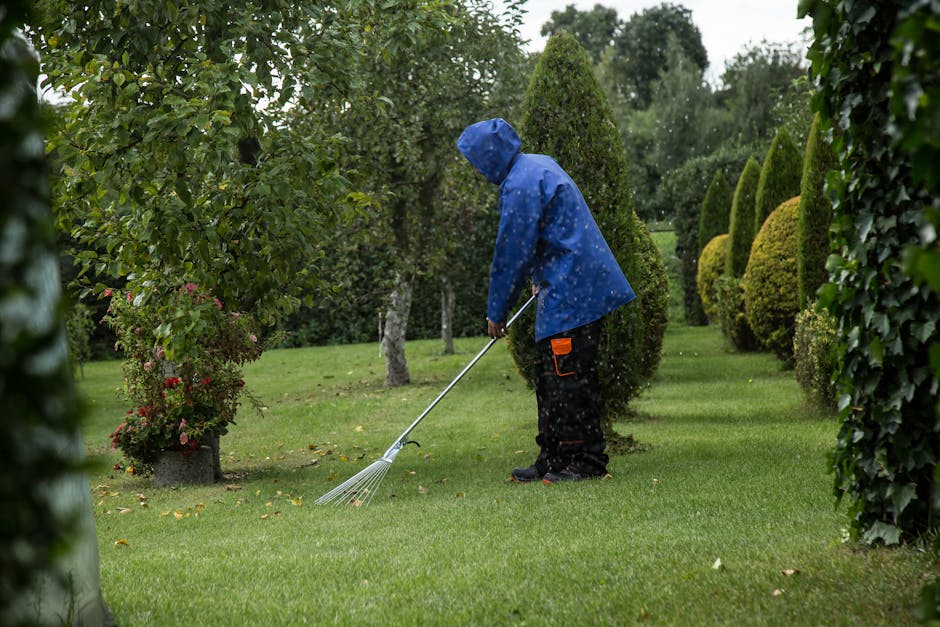
If you are comparing cheap gardeners in Loxford, the first quote can be a useful clue, but it is rarely the full story. The real cost often shifts once you factor in labour time, waste removal, access, equipment, garden size, and the kind of work actually needed. That is why a proper Cheap gardeners Loxford comparison of quotes and real cost matters so much: it helps you avoid overpaying, but just as importantly, it helps you avoid hiring too cheaply and then paying for mistakes later. Let's face it, a garden can look simple from the kitchen window and become a very different job once someone starts cutting, lifting, clearing, and tidying in the rain.
This guide breaks down how quotes are built, what "real cost" means in practice, and how to compare options without getting tangled up in vague promises. You will also find a practical checklist, a comparison table, and a few grounded examples drawn from the kind of jobs homeowners actually ask about.
Why Cheap gardeners Loxford comparison of quotes and real cost Matters
The headline price is only one part of the decision. In gardening, the lowest number can be tempting because the job feels straightforward: mow the lawn, trim the hedge, pull the weeds, tidy the beds, done. But real-world garden work often includes messy edges, awkward access, overgrowth, damp ground, and extra time that was never visible in the first message or phone call.
A comparison of quotes helps you separate three very different things:
- Cheap quote - the initial number someone gives you.
- Real cost - the final amount once all the work is properly accounted for.
- Value - the balance of price, reliability, finish quality, and peace of mind.
That difference matters a lot in places like Loxford, where gardens vary widely. One property might have a small front lawn and a few borders. Another may need full garden maintenance, hedge cutting, and a proper seasonal tidy-up. They are not the same job, even if the word "garden" appears in both enquiries.
Cheap can still be sensible. But cheap without clarity is where problems begin. A low quote that excludes clippings disposal, travel time, or a second visit can end up more expensive than a higher but better-defined price. Truth be told, people usually only notice this after the invoice arrives.
How Cheap gardeners Loxford comparison of quotes and real cost Works
Most gardening quotes are based on a mix of visible detail and assumptions. If the gardener has not seen the site in person, they may price cautiously or keep the quote narrow. That is not always bad; it is just how the work gets estimated. The problem is when the quote reads like a complete solution but is actually just a thin estimate for the most obvious tasks.
Here is the basic pattern:
- You describe the job, usually by message or phone.
- The gardener estimates time, labour, tools, and disposal needs.
- You receive a quote, either fixed or approximate.
- The work begins, and extra factors may appear on site.
- The real cost settles once scope, labour, and extras are confirmed.
The key phrase is scope. Scope means what is included and what is not. A quote for hedge trimming, for example, may include cutting only, but not shaping, waste removal, or height-related access equipment. If you need a more detailed service, a page like hedge trimming in Loxford can help you think through the kind of work that changes the final price.
In practical terms, the more precise the scope, the more meaningful the quote. That sounds obvious, but it is the bit many people skip when they are trying to save time.
Key Benefits and Practical Advantages
A proper comparison does more than save money. It gives you control. It also helps you ask better questions, which is half the battle with home services.
- Clearer budgeting: You can decide whether to spend now or phase the work.
- Fewer surprise charges: Better quotes usually spell out exclusions.
- Better timing: You can match work to season, weather, and urgency.
- Improved garden planning: You can combine tasks sensibly, such as lawn care and edging together.
- Less risk of poor workmanship: Extremely cheap work sometimes skips prep, cleanup, or aftercare.
There is also a psychological benefit. Once you know what a fair price looks like, you stop feeling cornered by the first number you see. That's a nice feeling, honestly. A garden job should feel like a decision, not a gamble.
For ongoing upkeep, comparing quotes also helps you choose between one-off help and recurring support such as lawn care or broader gardening services. Those choices look similar on the surface, but the value changes depending on how often your garden needs attention.
Who This Is For and When It Makes Sense
This approach is useful for almost anyone who wants gardening work done without wasting money, but it is especially helpful if your garden has not been touched for a while. Overgrown spaces tend to need more labour than people expect. A quick tidy can become a multi-stage clear-up, and that is where a low estimate can unravel.
It makes sense if you are:
- a homeowner preparing for spring or autumn maintenance;
- a landlord getting a property ready for viewings;
- an older resident who wants regular help without overpaying;
- someone comparing one-off garden clearance against ongoing upkeep;
- someone with a specific task like mowing, patio cleaning, hedge cutting, or tree work;
- a busy family trying to keep the outdoor space usable rather than perfect.
If the garden has become a bit neglected, it is often wise to start with a broader assessment. A guide such as where to begin when a garden has been neglected can help you understand why quotes vary so much for jobs that look, at first glance, almost identical.
And if you are the kind of person who prefers a tidy plan to a surprise bill, this comparison method is absolutely for you. No shame in that. In fact, it is the sensible way round.
Step-by-Step Guidance
Below is a straightforward way to compare cheap gardeners in Loxford without getting lost in sales talk.
1. Write down exactly what you want done
Be specific. "Sort the garden out" is too broad. "Mow front and back lawns, cut back two hedges, remove weeds from borders, and clear clippings" is much better. That one change alone usually improves quote quality.
2. Separate urgent work from optional work
Not every task needs doing now. If budget is tight, prioritise safety and growth control first. For example, overhanging branches, slippery patio surfaces, and blocking hedges may matter more than ornamental tidying.
3. Ask what the quote includes
This is where the real cost starts to reveal itself. Ask about labour, tools, disposal, fuel, materials, access issues, and whether VAT or other charges apply if relevant. A quote that sounds cheap but excludes obvious essentials is not actually cheap.
4. Ask whether the price is fixed or estimated
A fixed quote gives more certainty. An estimate may be useful for rough planning, but it can change once the team sees the garden in person. If the job is complex, a site visit often saves arguments later.
5. Compare like with like
Do not compare a full clear-up with a basic mow and hedge trim. That is apples and pears. Compare quotes only after confirming they cover the same scope.
6. Review proof of practical reliability
Look for signs of a proper operation: clear communication, sensible scheduling, and a willingness to explain what happens if the job changes. The best providers tend to be calm about detail. The dodgy ones get vague.
7. Choose value, not just the lowest number
If one quote is slightly higher but includes disposal, better equipment, and a clearer finish standard, that can be the better buy. Price matters, of course. But so does not having to hire someone twice.
Expert Tips for Better Results
Here are a few practical pointers that save people money more often than they realise.
- Give photos from multiple angles. Take wide shots and close-ups. Wet grass, dense weeds, and hidden access issues are easier to judge that way.
- Ask about seasonal timing. Hedge work, lawn care, and planting jobs all behave differently through the year.
- Bundle compatible tasks. Mowing, edging, and light weeding together is usually more efficient than separate visits.
- Check waste disposal expectations. Clippings pile up fast. They look harmless in the corner, then suddenly they do not.
- Be honest about access. Narrow side gates, locked entries, and steep slopes can add time.
- Ask for a breakdown. A clear breakdown makes comparison easier and reduces misunderstandings.
If your garden needs more than basic trimming, it can help to look at services in layers. For instance, some jobs pair well with lawn mowing, while others may need patio cleaning as part of the same visit. Small efficiencies like that can trim the total cost without cutting corners.
One more thing: ask what happens if the gardener finds a bigger issue on site. A cracked slab, a dead shrub root, or a hidden stump can change the work very quickly. Better to know the process before the machine starts up.
Common Mistakes to Avoid
A lot of people compare quotes in a rush and end up focusing on the wrong detail. The biggest mistakes are usually simple ones.
- Choosing the cheapest price without checking scope. This is the classic trap.
- Not asking about waste removal. The tidy garden can create a surprising pile of waste.
- Assuming all gardeners charge the same way. Some price by time, others by task, others by visit.
- Ignoring access problems. Long carries and awkward parking can affect labour time.
- Failing to compare service standards. A lower quote may skip edging, shaping, or final sweep-up.
- Forgetting follow-up work. If the garden needs regular care, one visit may not solve the deeper problem.
Another common mistake is comparing "cheap" and "budget-friendly" as if they are the same thing. They are not. Budget-friendly often means careful, efficient, and transparent. Cheap can mean that too, but it can also mean bare-bones, rushed, or incomplete. That little distinction changes everything.
Tools, Resources and Recommendations
You do not need fancy software to compare gardeners properly. A plain notebook, spreadsheet, or phone note works fine. What matters is consistency.
Useful things to keep track of:
- the date of each quote;
- what exactly was requested;
- what is included and excluded;
- whether waste removal is included;
- how long the work is expected to take;
- any follow-up or recurring maintenance suggested.
For some homeowners, it also helps to read a little around the task before deciding. If you are working on a stronger, more structured outdoor space, the article on fast-expanding green hedges for privacy is useful context. If your garden is more compact or layered, vertical gardens for urban spaces may give you ideas that reduce maintenance pressure in the long run.
And if you want a more visual garden reset, the wallet-friendly garden ideas piece is a decent companion read. Simple improvements often give the best return, especially when you are trying to manage costs carefully.
Law, Compliance, Standards, or Best Practice
For ordinary domestic gardening, the legal side is usually straightforward, but best practice still matters. Any reputable gardener should work safely, use equipment sensibly, and avoid creating avoidable hazards on your property. If tree work is involved, or if the job includes taller access, the standards and risk level become more serious very quickly.
Here are the main points to keep in mind:
- Health and safety: Tools, ladders, sharp equipment, and waste handling should be managed carefully.
- Insurance: It is sensible to ask whether the gardener carries appropriate cover for public liability and work-related risk.
- Clear terms: Written terms help prevent misunderstandings about scope, timing, payment, and cancellation.
- Payment clarity: Know when payment is due and what happens if the scope changes.
- Respect for property: Good practice includes protecting paving, lawns, fences, and nearby planting.
For larger or riskier tasks, you may want to review supporting information on insurance and safety and health and safety policy. If you are the kind of person who likes the paperwork to be in order, those pages are reassuring. Not exciting, perhaps, but reassuring.
There is also a practical trust angle. A gardener who explains the job clearly, writes things down, and avoids fuzzy language is usually easier to work with. That is often more valuable than an eye-catching headline price.
Options, Methods, or Comparison Table
Here is a simple way to think about the difference between a quote and the real cost.
| Comparison point | Cheap quote | Real cost | What to look for |
|---|---|---|---|
| Scope | Often narrow or vague | Includes all needed tasks | Check every item in writing |
| Waste removal | May be excluded | Can add a noticeable amount | Ask whether clippings are taken away |
| Labour time | May look short on paper | Depends on access and condition | Confirm whether time-based pricing applies |
| Equipment | Assumed, not always listed | Special tools can change the price | Ask if specialist kit is needed |
| Finish | Basic cut and clear | Trim, shape, tidy, and inspect | Agree the finish standard before work starts |
| Unexpected issues | Usually not mentioned | Can add extra labour or a return visit | Ask how variations are handled |
For some gardens, the cheapest route is to separate work into phases. For others, bundling the job is more efficient. If the space needs larger changes, such as structural improvements or new boundaries, related services like landscaping or even fencing may give a better long-term result than repeated patch-up work.
Simple rule: if the garden is recovering, invest in the parts that stop the mess from coming back too quickly.
Case Study or Real-World Example
Imagine two neighbours on the same street in Loxford. Both ask for a gardener after a wet spell has left the garden looking tired.
Neighbour A receives a very low quote for lawn cutting only. The price looks excellent. But when the gardener arrives, the lawns are longer than expected, the edges are thick with weeds, and the waste pile needs taking away. The quote did not mention waste disposal, and the final bill climbs once the extra time is added.
Neighbour B asks for a more detailed quote. They list the lawn, border weeding, hedge trimming, and green waste removal. The initial figure is higher, but it is much closer to the final cost because the scope was clear from the start. The work finishes on schedule, the garden looks properly restored, and there is no awkward back-and-forth over missing items.
The lesson is not that the second gardener was "expensive." The lesson is that the first quote was incomplete. Big difference.
This happens all the time with routine jobs too. A lawn mow may need nothing more than a quick tidy in one garden, but in another it may sit alongside edging, feeding, and aftercare. If you are planning ongoing upkeep, it is worth thinking beyond the one-off visit and looking at the full maintenance picture.
Practical Checklist
Use this before you accept any quote.
- Have I clearly listed every task I want done?
- Have I asked what is included in the quote?
- Do I know whether waste removal is included?
- Have I confirmed whether the price is fixed or estimated?
- Have I checked for access issues, parking, or awkward entry points?
- Have I compared the same scope across all quotes?
- Do I know whether the gardener can handle the specific work safely?
- Have I asked about any possible extra charges?
- Am I comparing value, not just the cheapest headline number?
- Do I feel comfortable with how clearly everything has been explained?
If you tick most of those boxes, you are in a strong position. If not, pause and ask for clarification. It takes five minutes and can save a lot of hassle later. Really, a small question now can avoid a much bigger conversation on the driveway.
Get a free quote today and see how much you can save.
Conclusion
Comparing cheap gardeners in Loxford is not really about chasing the lowest number. It is about understanding what the number means, what it excludes, and what the garden will truly cost once the work is complete. A good comparison helps you budget properly, avoid surprise fees, and choose a gardener who can finish the job cleanly and safely.
The real win is clarity. Once you know how quotes are built, you can spot the difference between a bargain and a shortcut. That makes it much easier to choose well, even on a modest budget.
If your garden needs a practical refresh, a tidy routine, or a bigger clear-up, start with the scope, ask the right questions, and compare the full picture. That way, you keep control of both the price and the result. And honestly, that is the sweet spot.
Frequently Asked Questions
How do I compare cheap gardeners in Loxford fairly?
Compare only quotes that cover the same work, the same access conditions, and the same waste removal expectations. If one gardener is pricing a quick mow and another is pricing a full tidy-up, the lower number is not a fair comparison.
Why is the real cost higher than the quote sometimes?
The real cost can rise when the gardener finds extra overgrowth, difficult access, hidden waste, or tasks that were not included in the original scope. That is why written detail matters so much.
Should I always choose the cheapest gardener?
Not necessarily. The cheapest quote may leave out key work or charge extra later. A slightly higher quote can be better value if it includes proper cleanup, clearer communication, and a more reliable finish.
Do gardeners charge by the hour or by the job?
Both models are used. Some quote by task, others by estimated time. Ask which method is being used so you can compare prices properly and understand how the final cost may change.
What should be included in a gardening quote?
Ideally, the quote should say what tasks are included, whether waste removal is included, what access has been assumed, whether materials are extra, and whether the price is fixed or estimated.
How can I avoid hidden charges?
Ask direct questions before work starts. Confirm disposal, equipment, access, follow-up visits, and any likely extras. A clear quote reduces the chance of awkward surprises.
Is a site visit worth it before getting a price?
Yes, especially for larger or more neglected gardens. A site visit usually gives a more accurate price because the gardener can see access, size, and condition rather than guessing from a message.
What if my garden is badly overgrown?
Expect a higher quote than for routine maintenance. Overgrown gardens usually need more labour, more cutting, more clearance, and more time. It can help to break the work into stages if budget is tight.
Can I save money by combining tasks?
Often, yes. Combining mowing, edging, hedge trimming, and tidy-up work can be more efficient than booking separate visits. The key is to make sure the combined quote is still clear and realistic.
How often should I compare gardening quotes?
It makes sense to compare quotes whenever the job changes materially, such as moving from a small tidy-up to regular maintenance or a larger clear-out. For ongoing work, review prices every so often so you know they still reflect the actual job.
Do I need to worry about insurance and safety?
For most garden work, yes, at least enough to ask sensible questions. If tools, ladders, heavier equipment, or tree work are involved, check that the gardener follows proper safety practice and has appropriate cover.
What is the best next step if I want a clear price?
Prepare a simple list of tasks, take a few photos, and ask for a written quote that explains what is included. That gives you the clearest basis for comparison and the least room for misunderstandings.