Recycling and Sustainability for Gardeners Loxford
 Gardeners Loxford takes a practical, borough-aware approach to recycling and sustainability, with every outdoor project planned to reduce waste, save resources, and support a cleaner local environment. From garden clearances to regular maintenance, we look for ways to separate green waste, divert reusable materials, and keep hard-to-recycle items out of landfill. Our recycling and sustainability work is built around a clear recycling percentage target: we aim to recycle or reuse at least 85% of the waste collected during suitable garden jobs, with the remaining material handled responsibly through approved disposal channels. That target reflects our commitment to low-impact gardening and more efficient use of materials.
In practice, sustainable gardening starts with sorting. We separate organic waste such as grass cuttings, hedge trimmings, leaves, and small branches for composting or green waste processing, while segregating timber, metal, plastics, soil, and mixed debris where local facilities allow. In many London boroughs, waste separation is becoming more specific, and we align our work with that direction by making sure recyclable materials are not mixed with general rubbish unnecessarily. This matters because a neat, well-sorted load is far more likely to be processed efficiently at nearby transfer stations and recovery sites.
 We also make use of local transfer stations to reduce travel distance and improve the flow of recyclable material into the right systems. By choosing local transfer stations where appropriate, we can keep journeys shorter, lower fuel use, and deliver waste to sites that are set up to separate green waste, aggregate, soil, and general refuse. For Gardeners Loxford, this is not just about convenience; it is part of a wider sustainability plan that reduces carbon output while supporting responsible waste handling across the area.
Many outdoor jobs generate materials that can be reused before they are recycled. Old pots, plant supports, timber offcuts, bricks, paving fragments, and garden edging can often be diverted for reuse through sorting and careful stock management. Where possible, we look to keep these materials in circulation, especially when they are still functional or can be passed on for a new purpose. This is one reason our garden waste recycling process is designed around recovery first, disposal last.
The middle of our sustainability approach is partnership.  We work with charities and community-focused organisations to help ensure that suitable items do not go to waste. Usable planters, outdoor furniture, tools, and decorative items may be separated for donation or reuse where they meet the right condition standards. These partnerships help extend the life of materials, support local causes, and reduce the environmental cost of buying new. In a borough setting where space is limited and waste volumes can rise quickly, donation-led reuse can make a meaningful difference.
Gardeners Loxford also keeps sustainability moving on the road. Our fleet includes low-carbon vans designed to reduce emissions during collection and transport. Using more efficient vehicles helps us lower the footprint of garden clearance trips, especially when several jobs are grouped together in the same area. Combined with route planning and careful load management, these vans support a greener service without compromising reliability. For clients seeking environmentally responsible garden care, the vehicle choice is an important part of the story.
We are equally mindful of local waste handling expectations, including borough-led approaches to separating garden waste from household rubbish and managing recycling streams more precisely. Different materials require different processing routes, so we keep our methods flexible enough to match local rules and site requirements. For example, soil and rubble may need to be kept apart from green waste, while clean metal items can be directed towards recycling recovery. This attention to detail helps increase the overall recycling rate and avoids contamination that could otherwise send recoverable material to landfill.
At the heart of the service is a simple idea: every garden can be maintained in a way that reduces environmental harm. Our garden recycling practices include composting appropriate organic material, separating reusable items, selecting efficient transport, and using transfer stations that support resource recovery. We also keep an eye on seasonal changes, since pruning, leaf clearance, and lawn care can create different waste streams throughout the year. By adapting to those patterns, we improve efficiency and maintain consistency in how waste is handled.
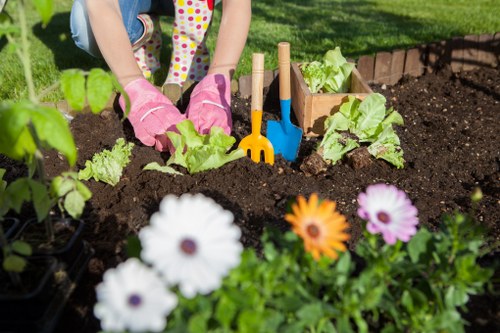 Our sustainability focus also extends to supply choices. Where suitable, we favour materials and consumables with lower environmental impact, and we look for opportunities to repair, repurpose, or reuse equipment rather than replace it immediately. This approach supports a circular mindset and makes the most of resources already in circulation. It is especially relevant in urban and suburban settings like Loxford, where gardens often generate a mix of plant material and household-style outdoor items that can be sorted with care.
We believe recycling should be measured, not just claimed. That is why the 85% recycling target acts as an internal benchmark for our work. While some loads naturally contain more mixed material than others, the target keeps our team focused on keeping useful matter out of general waste wherever possible. It also encourages better planning before collection, so that green waste, salvageable items, and recyclable debris are handled in the most effective order.
 Sustainability in gardening is not a single action but a set of habits repeated well: separate the waste, recover what can be reused, transport it efficiently, and choose disposal routes that support recycling. Gardeners Loxford applies those habits across everyday garden maintenance and one-off clearances alike. With local transfer stations, charity partnerships, low-carbon vans, and practical waste separation methods, our recycling and sustainability service is designed to fit the needs of the area while keeping environmental impact as low as possible.