Emergency garden clearance Loxford after storm urgent bookings
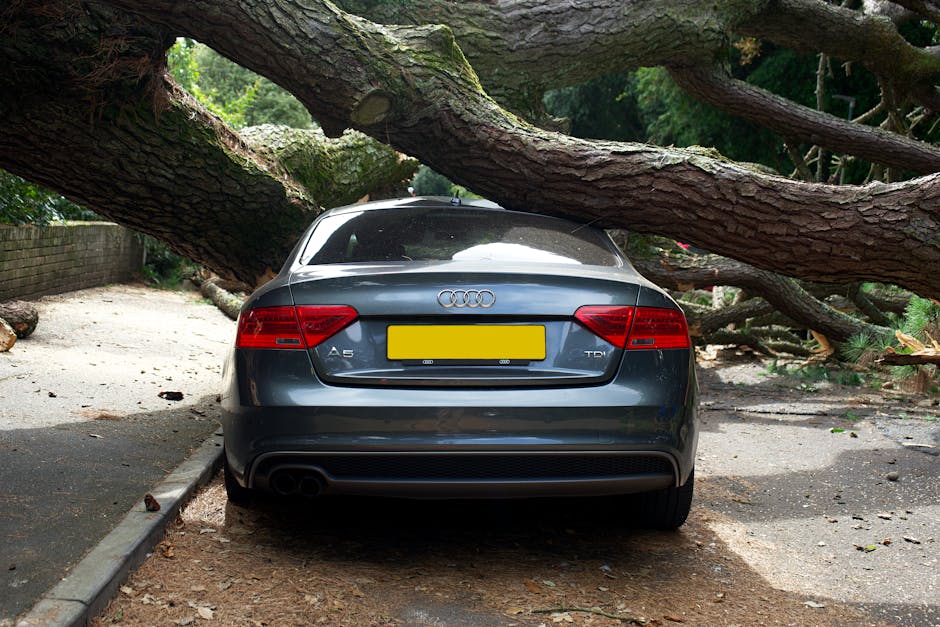
When a storm has ripped through a garden, the mess can feel bigger than the space itself. Broken branches, soaked waste, damaged fencing, bent shrubs, slippery paths, and scattered debris all demand attention at once. If you need Emergency garden clearance Loxford after storm urgent bookings, the priority is simple: make the area safe, clear the damage quickly, and stop a bad situation from getting worse.
That urgency is not just about appearances. After heavy rain or high winds, a garden can hide hazards that are easy to miss in the first rush of cleanup. A leaning tree limb, a split fence panel, or a patio blocked by wet leaves can become a genuine risk. This guide explains what emergency clearance involves, how the process works, what to expect from a same-day or next-day booking, and how to decide what needs immediate action versus what can wait until the weather settles.
If you are trying to get the garden back under control without turning the day into a second disaster, you are in the right place. Let's make it practical.
Why Emergency garden clearance Loxford after storm urgent bookings Matters
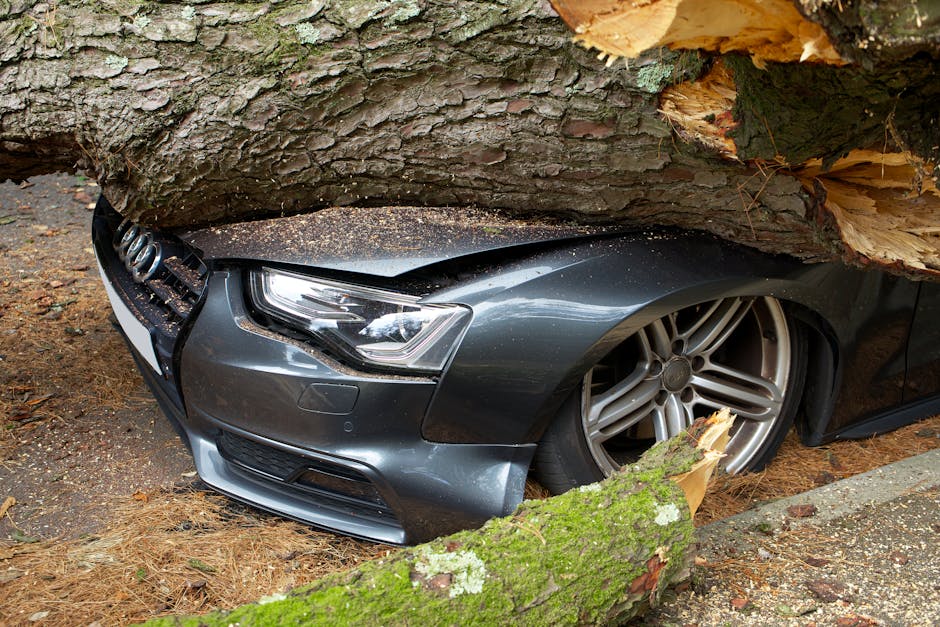
Storm damage in a garden is rarely tidy. In one corner you may have a snapped branch resting on a hedge; in another, a section of fencing hanging loose at an odd angle; somewhere else, a mound of wet leaves and smaller twigs that are already turning heavy and slippery. The garden can look worse by the hour, especially if there is more rain coming. That is why urgent clearance matters.
The immediate aim is safety. If a branch is unstable, if a tree is partially uprooted, or if waste has blocked access to the house, waiting can increase the risk to people, pets, and neighbouring property. The second aim is damage control. Wet vegetation, if left packed down, can mark patios, suffocate lawn areas, and clog drainage points. The third aim is peace of mind. Truth be told, seeing the worst of the mess gone quickly makes everything else feel more manageable.
There is also a practical side. In a busy area like Loxford, quick bookings matter because access can be tight and weather windows can be brief. A prompt response means debris is removed before it gets waterlogged, before it spreads, and before it becomes one of those jobs that seems to grow overnight. You know the type.
Expert summary: emergency garden clearance is not just a clean-up service; it is a safety-first response that reduces risk, restores access, and helps prevent a storm-damaged garden from causing further problems.
How Emergency garden clearance Loxford after storm urgent bookings Works
Urgent garden clearance usually starts with a quick assessment. The team will want to understand what happened, what is visible, and whether there are obvious hazards such as unstable branches, damaged structures, or blocked access routes. If you describe the scene clearly, you help speed everything up. A few phone photos can make a big difference, especially when time matters and nobody wants to guess from half a sentence.
Once the situation is understood, the job is normally prioritised based on risk. Anything that could fall, trip someone, or stop normal movement through the property tends to come first. After that, the crew will clear lighter debris, separate green waste from larger timber where possible, and move on to the more awkward bits. Think of it as making the site safe first, then making it presentable.
On the day, the work may include:
- removing fallen branches and storm debris
- cutting back broken or dangerous growth
- lifting and loading green waste
- clearing access routes, paths, and driveway edges
- checking for hidden hazards around fences, sheds, and trees
- leaving the garden in a safer, more workable condition
Depending on what has happened, a clearance visit may be combined with related work such as tree surgery, tree lopping and removal, or fencing repairs later on. That can save you from juggling multiple appointments when the calendar is already crowded.
One thing people often underestimate: after a storm, the most urgent issue is not always the biggest branch. Sometimes it is the one sitting in a path, wedged just enough to catch a foot or push water into the wrong place.
Key Benefits and Practical Advantages
Urgent garden clearance has obvious benefits, but the useful ones go beyond "it looks better." In real life, a quick response helps reduce stress, protect surfaces, and avoid the domino effect that follows storm damage. Once the big mess is handled, you can actually see what still needs attention.
- Safer movement: pathways, entrances, and side access are cleared sooner.
- Less secondary damage: wet debris is removed before it stains patios or mats down lawns.
- Faster recovery: the garden becomes usable again much more quickly.
- Clearer next steps: once the obvious damage is gone, it is easier to decide whether you need pruning, repairs, or full clearance.
- Reduced neighbour friction: if branches or waste have crossed a boundary, fast action is simply the decent thing to do.
There is a quieter benefit too. People sleep better once the dangerous stuff is gone. A storm-rattled garden can play on your mind, especially overnight, and especially if a tree is still creaking in the wind. A proper clearance visit helps turn that uneasy feeling into a plan.
For some homeowners, the best outcome is not perfection. It is getting the place safe enough to breathe again.
Who This Is For and When It Makes Sense
This service makes sense for anyone dealing with storm damage that is too risky, too heavy, or too time-sensitive to handle alone. That can be a homeowner, a landlord, a letting agent, or a business with outdoor space that has been hit by wind and debris. If you are staring out at the damage and thinking, "I could maybe deal with this at the weekend... but maybe not," that is usually your sign.
It is especially relevant when:
- branches have fallen across a garden or access path
- trees are leaning or have split limbs
- fencing has collapsed into planting beds or onto a boundary
- wet leaves and debris are making surfaces dangerously slippery
- the garden needs to be cleared quickly before further rain
- you need access restored for children, tenants, deliveries, or builders
Not every storm-damaged garden needs a full emergency response. Some situations can wait for a planned visit, especially if the damage is minor and contained. But if there is a real safety concern, the cost of waiting can be higher than the cost of acting quickly. To be fair, that is where common sense beats wishful thinking every time.
Step-by-Step Guidance
If you are arranging emergency clearance, here is the most sensible way to handle it. Short, clear steps work best when the weather has already made things chaotic.
- Check for immediate danger. Stay away from unstable trees, hanging branches, loose power lines, and visibly damaged structures.
- Take a few photos from a safe distance. This helps explain the problem without putting anyone at risk.
- List the urgent hazards first. For example: blocked path, broken fence, fallen branch, waterlogged debris, access issue.
- Ask for the earliest available urgent booking. Be direct about timing. If the clearance is needed before school pickup, tenants arrive, or more rain is forecast, say so.
- Confirm what is included. Find out whether the job covers loading, removal, and disposal of green waste.
- Prepare access. Unlock gates, move vehicles if possible, and clear a route to the affected area.
- Walk the site afterwards. Check what has been removed, what remains, and whether any follow-up work is needed.
A good emergency team will not rush past the detail. They will work quickly, yes, but they should still explain what is safe, what is not, and what comes next. If something looks like a tree issue rather than simple clearance, you may be advised to consider tree surgery rather than just tidying around it.
Expert Tips for Better Results
In our experience, the best urgent bookings are the ones where the customer gives honest, specific information. "The garden is a mess" is understandable, but "a tree limb is resting over the rear path and a fence panel has come loose" is much more useful. It means the right kit can be brought first time. Saves time. Saves faff.
Here are a few things that genuinely help:
- Describe the worst hazard first. Don't bury the lead.
- Say whether access is narrow. Side passages, shared gates, and low arches can affect what equipment is realistic.
- Mention standing water. Wet ground changes how a clearance is carried out.
- Keep children and pets indoors. It sounds obvious, but storm days are noisy and distracting.
- Ask about follow-up maintenance. After the urgent work, a bit of garden maintenance can stop the same mess from building up again.
If branches are tangled through hedging, that can sometimes be dealt with alongside hedge trimming. If the patio is slimy with leaf mulch and storm grime, a later patio cleaning visit may be worth it once everything is dry enough to work safely.
Small detail, big difference: if the waste pile includes thorny cuttings, broken timber, and soaked leaves all together, say so. It changes gloves, loading method, and the whole rhythm of the job.
Common Mistakes to Avoid
People often make the same handful of mistakes after storm damage. None of them are unusual. It is a messy moment, after all. But avoiding them can save injury, time, and extra cost.
- Trying to drag heavy branches by hand. A branch can snag, twist, or suddenly move. Not worth the gamble.
- Standing under partially broken limbs. These can fall without warning, especially after more wind.
- Ignoring hidden damage. What looks like a simple branch issue may also involve a cracked fence post or stressed root system.
- Waiting too long to act. Wet debris gets heavier and more awkward with every passing hour.
- Booking only for appearance. Safety should come first. The tidy finish comes after.
- Forgetting disposal. A pile moved from one corner to another is not the same as proper clearance.
There is also a subtle one: assuming every gardener will handle storm damage the same way. They won't. A proper urgent booking should be about prioritising risk, using sensible methods, and leaving the site in a genuinely safer state. That matters more than a quick sweep and a wave goodbye.
Tools, Resources and Recommendations
For emergency garden clearance, the right tools depend on the damage. You do not need a giant list; you need the right equipment for the conditions. On a storm job, that often means cutting tools, rakes, gloves, loading gear, and safe transport for waste. If tree work is involved, specialised equipment may be necessary, and that is one reason it is better to have experienced help.
Useful on-site items often include:
- heavy-duty gloves
- sturdy cutting tools
- tarpaulins for gathering debris
- barrows or loading aids
- protective footwear
- visibility for poor weather conditions
For homeowners, the best resource is not a gadget. It is a clear understanding of what is safe to do yourself. Light leaf clearance is one thing. A hanging branch over a driveway is another. If a section of the garden is unstable, leave it. That is not laziness; it is judgement.
Where storm damage leaves lawns flattened or soggy, a follow-up visit for lawn care can help the ground recover once it is no longer saturated. And if the wider outdoor space needs a reset after the immediate clean-up, the broader garden clearance service is often the right fit.
Law, Compliance, Standards and Best Practice
Storm clearance work sits in a safety-first environment. There may be boundary issues, damaged structures, obstructed access, or waste that needs careful handling. The exact legal position will depend on the circumstances, but good practice is fairly consistent: work safely, avoid unnecessary risk, and make sure waste is handled properly.
In the UK, a professional approach generally means:
- risk-assessing obvious hazards before work starts
- using sensible protective equipment
- not entering unsafe areas without reason
- taking care around potentially unstable trees or structures
- disposing of green waste responsibly
- respecting property boundaries and shared access arrangements
If fencing has been damaged, a temporary make-safe measure may be more appropriate than a permanent repair on the spot. Likewise, if a tree looks compromised, clearance alone may not be enough; it may need specialist attention. That is why providers often refer related work to tree surgery or tree lopping and removal where required.
Reputable services should also be clear about public liability cover, site safety, and how they handle waste. If that information matters to you, and it should, the pages on insurance and safety and health and safety policy are useful places to look before you book. No drama, just due diligence.
Options, Methods and Comparison Table
There is more than one way to deal with storm damage, and the right choice depends on urgency, risk, and the size of the job. Here is a simple comparison.
| Approach | Best for | Pros | Limitations |
|---|---|---|---|
| DIY tidy-up | Very light debris and low-risk areas | Quick for small jobs, low cost | Not suitable for unstable branches or heavy waste |
| Urgent clearance visit | Storm damage, blocked access, safety concerns | Fast, practical, risk-focused | May not include all repairs or long-term restoration |
| Clearance plus specialist tree work | Broken limbs, leaning trees, structural concerns | Addresses the underlying hazard | Usually more involved and may require follow-up |
| Clearance plus garden restoration | Gardens needing a full reset after storm damage | Improves safety and appearance together | Takes longer than a simple clearance |
For many households, the best route is a combination: quick emergency clearance now, then a calmer follow-up visit later for the polishing-up jobs. That approach is often less stressful than trying to do everything in one go, especially if the weather is still unpredictable.
Case Study or Real-World Example
Picture a typical late-evening call after a windy spell. The rear garden is strewn with twigs and broken stems, a fence panel has shifted, and a heavy branch is lying across the edge of the path. Nothing cinematic, just awkward, wet, and a bit unnerving. The homeowner wants the area safe before the next day because children use the path and the bins need moving out.
In that kind of situation, the useful first step is not a grand redesign. It is a focused clearance. The urgent work would usually start by removing the branch blocking access, checking whether the fence panel is loose enough to move, and clearing the wet debris that is making the paving slick. Once the immediate hazard is gone, the site becomes calmer. Then, if needed, the team can come back for fencing repairs, hedge reshaping, or a fuller tidy-up.
What the homeowner usually notices most is not just the visual change. It is the shift in mood. The garden stops feeling like a problem hanging over the house. You can hear yourself think again. Sounds a bit dramatic, maybe, but anyone who has dealt with storm damage knows the feeling.
Practical Checklist
Use this checklist if you need emergency support after a storm. It keeps things simple when your head is full.
- Check whether anyone is in immediate danger.
- Keep away from unstable trees, loose branches, and damaged structures.
- Take photos from a safe distance.
- Note the worst hazards first.
- Confirm whether access gates, side paths, or shared entrances need attention.
- Ask for the earliest urgent booking.
- Clarify whether loading and waste removal are included.
- Move vehicles or garden items if they block access.
- Keep children and pets away from the work zone.
- Walk through the area after clearance and check for remaining risks.
- Arrange follow-up work if the storm caused structural or tree-related damage.
If the garden has also become overgrown or unruly in places that were already borderline before the storm, it may be worth pairing the emergency visit with gardening services once the urgent risk has been handled.
Conclusion
Storm damage can make even a familiar garden feel unfamiliar for a while. The good news is that urgent clearance turns chaos into something manageable. By focusing first on safety, access, and removal of unstable debris, you get the most important part done quickly. After that, the rest becomes ordinary garden work again, which is much easier to deal with.
If you are weighing up whether to book now or wait, a simple question usually helps: is there any chance the damage could worsen, injure someone, or block access? If the answer is yes, it is time to act. Fast. Calmly, but fast.
Get a free quote today and see how much you can save.
And if the weather has left you feeling a bit flattened as well, that is understandable. A cleared garden can do more than tidy the view; it can genuinely lift the mood of the whole day.
Frequently Asked Questions
What counts as an emergency garden clearance after a storm?
It usually means any garden mess or damage that creates a safety risk, blocks access, or is likely to worsen quickly. Fallen branches, unstable trees, broken fencing, and slippery debris are common examples.
How quickly can urgent bookings usually be arranged in Loxford?
It depends on weather conditions, workload, and the scale of the damage. Urgent bookings are normally prioritised ahead of routine work, especially where access or safety is affected.
Should I try to clear storm debris myself first?
Only if it is light, stable, and clearly low-risk. If there are hanging branches, leaning trees, broken panels, or heavy wet debris, it is safer to wait for professional help.
What information helps most when I request a fast booking?
Photos, a short description of the damage, access details, and the main safety concern. That gives the team a clearer picture and helps them bring the right equipment.
Does emergency garden clearance include waste removal?
It often does, but you should always confirm. Some jobs focus on making the site safe, while others include loading and removal of green waste as part of the service.
Can storm-damaged trees be dealt with during garden clearance?
Sometimes, yes, if the work is straightforward and safe. If the tree is unstable, split, or structurally compromised, specialist tree surgery may be the better route.
What if the storm has also damaged my fence?
The immediate aim is usually to make the area safe and secure. After that, you may need separate repair work, and damaged panels or posts can be assessed alongside the clearance.
Is emergency clearance more expensive than a normal visit?
It can be, because urgency, timing, and hazard level can affect the job. For a clear figure, it is best to ask for a quote based on the actual condition of the garden.
What should I do about a slippery patio after storm debris has gathered on it?
Clear loose debris first and avoid aggressive cleaning on a wet, unsafe surface. Once conditions improve, a dedicated patio cleaning visit can help restore grip and appearance.
Can urgent garden clearance help if access to the back garden is blocked?
Yes. Restoring access is one of the main reasons people book emergency clearance. It can be especially useful when bins, deliveries, tenants, or family members need a safe route.
What is the difference between garden clearance and garden maintenance?
Garden clearance deals with removal of unwanted growth, debris, or storm damage. Garden maintenance is the ongoing upkeep that helps stop the mess building up again.
How do I know whether I need tree lopping, removal, or just clearance?
If the issue is a broken branch, clearance may be enough. If the tree itself is leaning, split, or obviously unsafe, then tree lopping and removal or another specialist assessment may be more appropriate.