
 020 3744 3778
Exploring the Benefits of Growing Your Own Herb Garden
Posted on 23/06/2025
Exploring the Benefits of Growing Your Own Herb Garden
Imagine stepping just outside your door to pluck fragrant basil, crisp mint, or savory rosemary--fresh from your own garden. Not only does growing your own herb garden offer a touch of convenience and freshness to your meals, but it also delivers a bounty of benefits for your health, wallet, and environment. In this comprehensive guide, we'll delve into the many advantages of cultivating an herb garden at home, essential tips for getting started, and how this simple practice can transform your daily life.
Why Start an Herb Garden? Top Reasons to Grow Your Own Herbs
Interest in home gardening is on the rise, with more people than ever turning to homegrown herbs for their exceptional flavors and practical benefits. Below, let's explore the compelling reasons to start your own herb garden today:
1. Unparalleled Freshness and Flavor
- Superior Taste: Store-bought dried herbs simply can't compare to fresh-picked varieties in terms of flavor and aroma. Herbs like basil, parsley, and cilantro release their essential oils when freshly harvested, elevating your culinary creations.
- Ready Access: Having herbs nearby means you can add a burst of flavor whenever you need it--no more last-minute trips to the store or settling for wilted greens.
- Customization: Grow your favorite varieties or try unique cultivars not commonly found at markets, from purple basil to pineapple sage.
2. Significant Cost Savings
- Lower Grocery Bills: A packet of seeds or a starter plant is a small investment compared to continuously buying fresh herbs at premium prices.
- Reduced Food Waste: Only harvest what you need, minimizing unused portion spoilage--a common problem with store-bought bunches.
- Long-term Yield: Many herb plants, such as mint, oregano, or thyme, are perennial or can be grown year-round indoors, ensuring a continuous return on your investment.
3. Health and Wellness Benefits
- Higher Nutrient Content: Freshly picked herbs retain more vitamins, antioxidants, and essential oils than their dried or pre-packaged counterparts.
- Encourages Healthy Cooking: Using aromatic herbs in place of salt, sugar, or artificial seasonings can help reduce sodium and calorie intake while enhancing taste.
- Therapeutic Properties: Many herbs serve double-duty--for example, mint aids digestion, while chamomile calms the mind and body.
4. Environmental Advantages
- Reduced Packaging and Transport: Growing herbs at home means no plastic packaging, and zero food miles--reducing your carbon footprint.
- Supports Pollinators: Flowering herbs like thyme, basil, and chives attract bees and butterflies, supporting biodiversity in your local ecosystem.
- Waste Reduction: Compost herb trimmings to enrich your soil, creating a cycle of sustainability right in your backyard.
5. Mental and Emotional Well-being
- Stress Relief: Gardening is widely recognized for its ability to reduce stress and improve mood. The simple act of tending to your plants can be meditative and grounding.
- Sense of Achievement: Successfully growing and harvesting your own edible plants can be deeply satisfying and boost self-confidence.
- Connection to Nature: An herb garden fosters a daily connection with the natural world, even in small spaces or urban environments.

How to Start Your Own Herb Garden: Simple Steps for Beginners
Growing herbs at home doesn't require extensive experience, space, or fancy equipment. Whether you have a sunny windowsill, a balcony, or a backyard plot, you can enjoy the rewards of homegrown herbs. Here's how to get started:
1. Choose the Right Herbs for Your Space
- Assess Your Conditions: Most herbs prefer full sun (at least 6 hours daily), but some tolerate partial shade. Consider your climate and where you plan to grow them--indoors or outdoors.
- Beginner-friendly Herbs:
- Basil - thrives in warm weather, perfect for windowsills and containers.
- Mint - vigorous and easy to grow, ideal for pots to contain its spread.
- Parsley - versatile and adaptable to light shade.
- Chives - hardy perennials, great for borders and pots.
- Rosemary - prefers sunny, well-drained conditions.
2. Decide: Container or In-ground?
- Containers: Perfect for patios or indoor spaces, containers give you control over soil and help prevent herbs like mint from spreading uncontrollably.
- Garden Beds: If you have the space, dedicate a small patch to a dedicated herb garden. Interplant with vegetables or flowers for a varied landscape.
3. Prepare the Soil
- Quality Soil: Use well-draining, fertile soil. Amend with compost to provide nutrients and improve moisture retention.
- Drainage: Herbs dislike soggy roots. Ensure pots have drainage holes and raised beds have loose, friable soil.
4. Planting Your Herbs
- Seeds vs. Starts: Many herbs grow easily from seed, but you can also purchase young plants for a head start.
- Spacing: Don't overcrowd. Allow enough room for each herb to grow to its full size. Check labels for specific recommendations.
5. Care and Maintenance
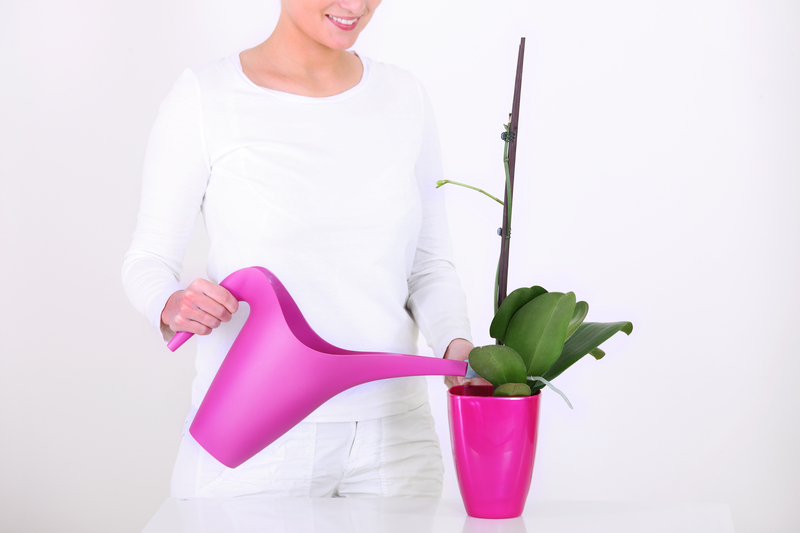
- Water Smart: Most herbs prefer relatively drier soil between waterings. Water at the base, avoiding wetting the leaves.
- Regular Harvesting: Frequent snipping encourages bushier, healthier plants. Pinch off flower buds from basil, mint, and others to keep leaves at their peak.
- Pest Control: Herbs are naturally resilient, but watch for aphids or whiteflies. Use natural pest solutions to keep your herb garden organic and safe.
The Versatility of Homegrown Culinary Herbs
One of the greatest joys of growing your own herb garden is the limitless potential to enhance everyday cooking. Fresh herbs brighten up salads, main dishes, desserts, and drinks alike. Here's how to make the most of your harvest year-round:
Enhancing Flavors the Healthy Way
- Basil: Essential in Italian cuisine--add to pesto, salads, and tomato sauces.
- Mint: Brightens teas, desserts, fresh spring rolls, and summer beverages.
- Rosemary & Thyme: Boost roasted meats, root vegetables, and even homemade bread.
- Parsley: Garnishes soups, salads, and acts as a vitamin-rich base in tabbouleh.
- Cilantro: A must for salsas, curries, and fresh dips.
Herbal Teas & Infusions
- Harvest lemon balm, chamomile, mint, or thyme for soothing teas that support well-being and digestion.
- Infuse oils or honey with fresh herbs to make aromatic condiments.
Preserving Your Herb Harvest
- Drying: Hang small bundles upside down or use a dehydrator for winter use.
- Freezing: Chop and freeze in ice cube trays with a little water or olive oil.
- Herb Butters & Pesto: Blend fresh leaves with butter, olive oil, garlic, and nuts to preserve flavor and nutrients.
Health Benefits of Homegrown Herbs
Having a personal herb garden isn't just about flavor--it's a powerful investment in your health. Here's how:
- Antioxidant Power: Parsley, oregano, thyme, and basil are loaded with health-boosting compounds that fight inflammation and cellular damage.
- Aromatic Relief: Essential oils in herbs like mint can relieve headaches, improve clarity, and calm the mind.
- Better Digestion: Herbs such as dill, fennel, and mint are traditional remedies for bloating and indigestion.
- Natural Remedies: Fresh-grown herbs have been used for centuries in folk medicine--think calendula for skin care, or sage for sore throats.
Herb Gardening for Every Space
Don't have a backyard? No problem! Herb gardens can thrive in almost any environment:
- Windowsill Gardens: Small pots of basil, chives, and parsley can thrive on sunny windowsills.
- Vertical Planters: Use wall-mounted planters or hanging baskets on balconies to maximize growing space.
- Hydroponic Systems: Indoor hydroponic herb gardens require minimal space and provide year-round fresh herbs.
- Community Gardens: Join a local gardening plot if outdoor space at home is limited.
Tip: If you're new to gardening, start with just a few varieties to learn what grows best in your space and climate. Over time, you can expand your herb garden as your confidence grows!
Sustainable Practices for Growing Home Herb Gardens
To make your garden as eco-friendly as possible, consider these sustainable practices:
- Compost Scraps: Use vegetable peelings and herb trimmings to make compost, enriching your soil naturally.
- Water Wisely: Water early in the morning or late afternoon to minimize evaporation. Collect rainwater for irrigation where possible.
- Choose Organic: Avoid chemical fertilizers and pesticides, opting instead for organic amendments and natural pest deterrents like neem oil or companion planting.
Conclusion: Grow Your Own Herb Garden and Reap the Rewards
Exploring the benefits of growing your own herb garden reveals a world of flavor, health, and sustainability right at your fingertips. Whether you cultivate a few pots on your windowsill or design a dedicated garden bed, homegrown herbs offer:
- Extraordinary freshness that enhances every meal
- Savings for your wallet, compared to store-bought herbs
- Health benefits ranging from better nutrition to stress relief
- Positive environmental impact with reduced waste and support for pollinators
Get started today and enjoy the simple pleasures and endless uses of culinary herbs picked straight from your own garden. Your kitchen, your well-being, and the planet will all thank you.
Frequently Asked Questions About Herb Gardening
What herbs are easiest to grow for beginners?
Beginner-friendly options include basil, mint, parsley, chives, and oregano. These herbs are hearty, resilient, and adaptable to various conditions.
How much sunlight do herbs need?
Most herbs thrive with 6-8 hours of sunlight daily. Some, like mint and parsley, tolerate partial shade, making them ideal for indoor spaces.
Can you grow herbs indoors year-round?
Absolutely! Choose a sunny windowsill or use grow lights. Select compact varieties and maintain regular watering and harvesting.
How can I preserve a surplus of fresh herbs?
Dry or freeze excess herbs, make herb-infused oils or butters, or use them in pestos and sauces for later use.
Start Your Herb-Growing Journey Today!
With a little care and curiosity, growing your own herb garden can become one of the most rewarding and empowering habits in your home. Embrace the process and enjoy all the benefits--from the garden to your plate, your health, and beyond.
```Latest Posts
Fortify Your Garden Plants Against Winter Frost
Zen Garden Inspiration: Your Path to Outdoor Tranquility
Gardening 101: 9 Key Tips for Budding Beginners
Dynamic Hedge Trimming: Enhance Your Garden with Creative Techniques