
 020 3744 3778
Fortify Your Garden Plants Against Winter Frost
Posted on 01/10/2025
Fortify Your Garden Plants Against Winter Frost: Essential Strategies for Protection
As winter approaches, gardeners face the challenge of protecting their beloved plants from the harsh realities of frost and cold weather. Learning how to fortify your garden plants against winter frost can make the difference between a thriving garden in spring and heartfelt disappointment. In this comprehensive guide, you'll discover effective, science-backed methods and practical tips to shield your plants, ensuring your garden remains lush and resilient throughout the colder months.
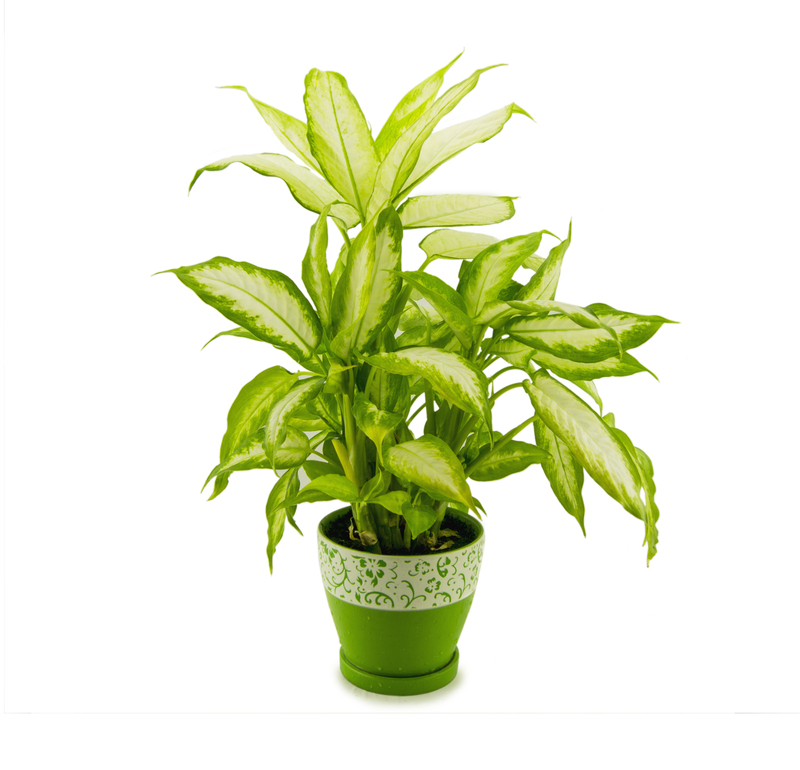
Understanding the Threat: Why Winter Frost Is Dangerous for Plants
Before delving into solutions, it's vital to grasp why winter frost can be devastating for garden plants. When temperatures fall below freezing, water within plant cells turns to ice, causing cell walls to burst and tissues to become irreparably damaged. This results in wilted, browned, and dead foliage. Frost damage is particularly severe for tender plants not adapted to cold climates.
Types of Frost and Their Effects on the Garden
- Hoar Frost: Forms on clear nights when heat escapes the earth's surface rapidly, resulting in frozen dew.
- Ground Frost: Frozen ground can affect the roots' ability to absorb nutrients and water.
- Radiation Frost: Occurs as heat radiates off the soil at night, causing air close to the ground to freeze.
- Advection Frost: Brought by cold winds, this type of frost can strike even during the day.
Each type of frost impacts plants differently, but all underscore the necessity to strengthen your garden against freezing temperatures.
How to Prepare Your Garden for Winter Frost
Preparation is key in mitigating the damage caused by cold weather. Implementing smart landscaping and practical gardening techniques will protect plants from harsh winter conditions.
1. Choose Cold-Hardy Plants for Frost Resistance
Start by selecting winter-hardy species suited to your region. Familiarize yourself with your local USDA Hardiness Zone to ensure you pick varieties that can withstand expected winter lows. Some naturally resilient choices include:
- Evergreens (e.g., junipers and pines)
- Winter-blooming bulbs (e.g., snowdrops, crocus)
- Brassicas (e.g., kale, Brussels sprouts)
For tender plants, consider growing them as annuals or bringing them indoors before frost threatens.
2. Site Selection and Microclimates
When planning your garden, be strategic about placement. South-facing slopes, fences, and walls absorb and radiate heat, creating warmer microclimates that can help shield delicate plants from frost. Grouping sensitive plants in these protected areas can greatly improve their chances of winter survival.
3. Soil Preparation and Mulching Techniques
Enrich soil with organic matter in autumn to improve drainage and insulation. Applying a thick layer of mulch--such as straw, wood chips, or compost--protects roots by regulating soil temperature and locking in warmth. Mulching also reduces water evaporation, vital for plant health during dry, cold spells.
- Aim for a 2-4 inch layer of mulch around vulnerable plants, taking care not to smother the crowns.
- Use materials like shredded leaves or pine needles for extra insulation.
4. Timing Matters: Watering Before a Freeze
A well-hydrated plant is better equipped to withstand frost shock. Moist soil retains heat more efficiently than dry soil, so consider watering your garden thoroughly a day or two before an expected freeze. Be cautious not to overwater, as soggy soil can harm roots.
Active Frost Protection Methods: How to Shield Your Plants Properly
Once frost warnings are issued, gardeners must act promptly to protect their garden plants from severe winter frost. Here are proven techniques to preserve plant health and beauty:
1. Use Protective Covers for Frost-Sensitive Plants
Physically covering your plants is the most direct line of defense. Various materials can be used, including:
- Horticultural fleece or frost cloths: Lightweight, breathable fabrics made for plants.
- Old bedsheets or blankets: Effective for emergencies; avoid plastic as it can trap moisture and cause freezing.
- Cardboard boxes or buckets: Place over small shrubs or seedlings overnight.
Always remove covers during the day to allow sunlight and air circulation. Secure coverings to the ground--using rocks or stakes--to prevent chilly drafts.
2. DIY Cold Frames and Cloches
Extend your growing season and fortify plants against frost damags with cold frames or cloches. These mini-greenhouses trap heat and block cold winds. Build a simple cold frame using old windows or buy prefabricated versions. For individual plants, DIY cloches can be fashioned from:
- Cut plastic bottles
- Glass jars
- Milk jugs with the bottoms removed
Remember to vent these structures on sunny days to prevent overheating your plants.
3. Utilize Heat Sources
For highly valuable or sensitive specimens, providing supplemental heat can make a critical difference:
- String Christmas lights (non-LED): Draped over branches to emit gentle warmth
- Fill jugs with warm water: Place them among plants under coverings to slowly release heat overnight
- Compost piles: Nearby decaying organic material can provide a natural source of heat.
4. Windbreaks and Fencing
Cold winds intensify frost damage. Install temporary windbreaks--such as burlap screens or wooden planks--on the windward side of your garden. Permanent fencing not only protects against winter gusts but also provides support for covers and trellises.
Special Precautions for Potted and Container Plants
Potted plants are more susceptible to winter chill since roots are above ground and exposed. Here's how to winterize your container plants effectively:
- Move containers to sheltered areas, like patios, garages, or against warm south-facing walls.
- Group pots together, which helps them retain warmth.
- Wrap pots in insulating material such as bubble wrap, burlap, or even old sweaters.
- Elevate pots off cold concrete to prevent root freeze; use pot feet or wooden pallets.
Long-Term Strategies to Build Frost Resistance in the Garden
While emergency measures are helpful, integrating winter fortification strategies year-round ensures healthier, more robust plants resilient to seasonal fluctuations. Consider these long-term approaches:
1. Gradual Acclimatization (Hardening Off)
Slowly exposing tender plants to lower temperatures in the fall trains them to tolerate cold weather. Move potted plants outdoors on cool nights and back inside during harsher conditions to increase their cold tolerance.
2. Pruning and Maintenance
- Prune dead or diseased branches in late autumn to reduce weight and breakage from ice.
- Delay pruning on certain shrubs (like roses) to prevent stimulation of new growth just before the frost.
Well-maintained plants are naturally stronger and better equipped to survive winter adversity.
3. Apply Anti-Desiccant Sprays
Anti-desiccant or anti-transpirant sprays form a protective coating on evergreen foliage, helping to prevent moisture loss and subsequent browning from cold wind exposure. Always follow manufacturer guidance regarding application.
4. Regular Mulching and Feeding
Top up mulch as needed throughout autumn and winter, and feed your plants winter-appropriate fertilizers to bolster root strength without stimulating tender new growth.
Identifying and Treating Frost Damage
Despite best efforts, some plants may still suffer from frost. Prompt identification and gentle care can often reverse minor frost damage and prevent further decline.
- Look for wilted, blackened, or water-soaked leaves after a freeze.
- Do not immediately prune away damaged parts; wait until spring when new growth reveals which areas survived.
- Keep the soil lightly moist, but avoid overwatering soggy roots.
Withhold fertilizing until signs of recovery appear, as stressed plants require time to regain their energy reserves.

Frequently Asked Questions about Fortifying Garden Plants Against Winter Frost
Q: When should I start preparing my garden for frost?
Begin preparations in late autumn, several weeks before your region's average first frost date. Early action provides the best protection.
Q: What is the best material for covering plants against frost?
Use breathable materials, such as horticultural fleece, burlap, or cotton sheets. Avoid plastic, as it can trap moisture and exacerbate freezing.
Q: Can frost-damaged plants recover in the spring?
Many hardy plants will bounce back from minor frost injury. Be patient and wait for new shoots in spring before pruning away affected growth.
Q: Should I fertilize plants during winter?
Do not fertilize most outdoor plants during winter, as this can promote weak growth susceptible to frost. Instead, focus on root-strengthening supplements in autumn.
Conclusion: Secure Your Garden's Future with Proper Winter Frost Protection
Embracing these tried-and-true strategies enables you to fortify your plants against winter frost, ensuring a vibrant garden that bounces back robustly come spring. From selecting the right species and optimizing microclimates to employing emergency frost shields and supporting plant recovery, a little knowledge and effort go a long way.
Remember, a garden protected from winter's chill is a garden ready to flourish when sunshine returns. Dedicate some time this season to defending your green space, and it will reward you handsomely for years to come!
- Select cold-hardy plants for best results.
- Create favorable microclimates with strategic planting and windbreaks.
- Use mulch and soil amendments to insulate roots.
- Act quickly and cover plants at the first sign of frost.
- Practice consistent garden maintenance for long-term health.
Now that you know how to fortify your garden plants against winter frost, take action and safeguard your botanical investments!
Latest Posts
Fortify Your Garden Plants Against Winter Frost
Zen Garden Inspiration: Your Path to Outdoor Tranquility
Gardening 101: 9 Key Tips for Budding Beginners
Dynamic Hedge Trimming: Enhance Your Garden with Creative Techniques