
 020 3744 3778
Gardening 101: 9 Key Tips for Budding Beginners
Posted on 22/09/2025
Gardening 101: 9 Key Tips for Budding Beginners
If you're dreaming of transforming your backyard or balcony into a flourishing sanctuary, you're not alone. Gardening beginners often feel overwhelmed by the breadth of information available, but starting your green thumb journey doesn't need to be intimidating. This guide will introduce you to the basics of gardening for beginners, offering essential advice so you can grow your confidence and cultivate a thriving space, whether you've got a plot of land or a few pots. Ready to dig in? Read on for our top 9 key tips for aspiring gardeners.
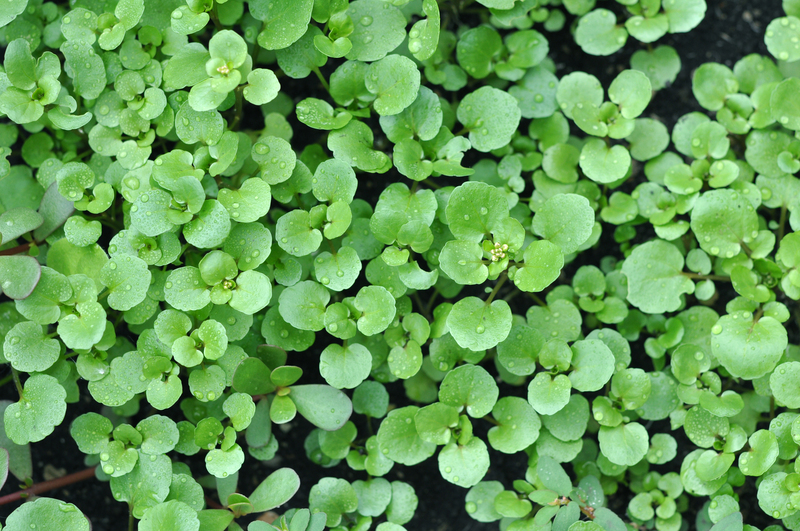
Why Start Gardening? The Power of Growing Your Own Plants
Gardening isn't just about beauty--it's a relaxing, therapeutic hobby with tangible rewards. Cultivating plants provides mental relaxation, adds fresh food to your table, and improves your surrounding environment. The satisfaction of witnessing a seedling grow into a robust plant is unrivaled. Even as a newbie gardener, you'll benefit from fresh air, exercise, and the simple joy of nurturing life.
Gardening 101: 9 Key Tips for Budding Beginners
- Choose the Right Location
- Know Your Soil
- Start with Easy-to-Grow Plants
- Understand Sunlight Requirements
- Master the Art of Watering
- Invest in Basic Gardening Tools
- Plan (and Label) Your Garden
- Watch Out for Pests and Problems
- Be Patient and Keep Learning
1. Choose the Right Location for Your Garden
The foundation of all successful home gardens is an ideal location. Before sowing a single seed, observe your outdoor or indoor space at different times of the day. Notice where the sun hits, how much wind passes through, and whether the area is sheltered or exposed.
- Sunshine: Most vegetables and flowering plants require at least 6-8 hours of direct sunlight. If sunlight is limited, opt for shade-loving plants or container gardens that you can move as needed.
- Access to Water: Proximity to a water source makes maintenance easier.
- Drainage: Avoid low-lying areas where water collects, which can drown roots.
Pro Tip: If space is tight or your soil is poor, try raised beds or container gardening--perfect options for urban gardeners and renters.
2. Know Your Soil
Soil is the life source for your plants. Great gardens begin with healthy soil. Don't just dig and plant; take the time to understand what you're working with first.
- Soil Types: There are three main soil types: sandy, clay, and loamy. Loamy soil is ideal for most plants, as it retains moisture yet drains well.
- Test Your Soil: Purchase an inexpensive testing kit to check pH and nutrient levels. Most plants thrive in slightly acidic to neutral soil (6.0-7.0 pH).
- Improve Soil Health: Amend poor soil with compost, manure, leaf mold, or mulch. Organic matter boosts drainage, aeration, and fertility.
*Pro Tip:* Worms and insects are good signs of healthy soil! If your soil is lifeless, add more organic matter.
3. Start with Easy-to-Grow Plants
Don't set yourself up for frustration. For beginner gardeners, the secret is to start with resilient, forgiving species.
- Vegetables: Lettuce, radishes, peas, beans, and zucchini
- Herbs: Basil, mint, chives, parsley, and oregano
- Flowers: Marigolds, zinnias, sunflowers, pansies, and nasturtiums
- Houseplants: Snake plant, pothos, spider plant, and peace lily
You'll gain confidence as you see quick results and enjoy edible rewards or vibrant blooms.
4. Understand Sunlight Requirements
It's essential to match your plants to the amount of sunlight they need. Most seed packets and plant tags specify whether a plant needs:
- Full Sun: At least 6-8 hours of direct sunlight daily.
- Partial Sun/Part Shade: 3-6 hours of sunlight, preferably morning or filtered.
- Shade: Less than 3 hours of direct sunlight, with dappled or reflected light the rest of the day.
*Pro Tip:* As the seasons change, sunlight patterns shift. Reassess your garden layout at least twice a year to maximize output.
5. Master the Art of Watering
One of the most common pitfalls for new gardeners is improper watering. Plants don't need as much water as you may think, but consistency is key.
- Check soil moisture by pushing your finger an inch deep--water only if it feels dry.
- Water early in the day to reduce evaporation and discourage disease.
- Use a gentle spray or watering can to avoid washing away seeds or compacting soil.
- Mulch around your plants with straw, bark, or compost to retain moisture and suppress weeds.
Remember: Overwatering is as harmful as underwatering. Roots need oxygen, and soggy soil suffocates them.
6. Invest in Basic Gardening Tools
You don't need expensive gadgets, just a few essential gardening tools for beginners:
- Gloves: Protect your hands from thorns and dirt.
- Spade or Shovel: Digging, turning soil, and planting larger specimens.
- Hand Trowel: For planting small plants and working in containers.
- Pruners or Scissors: Trimming, shaping, and harvesting.
- Watering Can or Hose: Essential for consistent hydration.
- Rake: Tidying up and spreading mulch or compost.
Take care of your gardening equipment--clean after use, store in a dry place, and sharpen blades as needed.
7. Plan (and Label) Your Garden
Even small gardens benefit from good organization. Draw a simple layout before planting, grouping together plants with similar needs. Consider:
- Spacing: Overcrowded plants compete and are more prone to disease.
- Companion Planting: Some plants, like tomatoes and basil, thrive together, while others don't play well.
- Labelling: Use durable markers or labels, especially in a vegetable garden. It's easy to forget what you've planted once seedlings emerge!
A garden journal is also handy for tracking what works, bloom times, and harvests.
8. Watch Out for Pests and Problems
Even the best cared-for gardens may attract pests or face challenges like diseases and weeds. Stay proactive:
- Inspect plants often for signs of trouble, such as yellow leaves, holes, or sticky residue.
- Encourage beneficial insects like ladybugs and bees by planting a variety of flowers.
- Use barriers such as netting or row covers for vulnerable crops.
- Try organic solutions (soapy water, neem oil) before reaching for chemical pesticides, especially for a family or edible garden.
- Pull weeds early before they take over and steal nutrients from your plants.
A healthy, diverse garden is naturally more resilient to pests and disease. Focus on prevention over cure.
9. Be Patient and Keep Learning
Perhaps the most important advice in Gardening 101 for new gardeners: success doesn't happen overnight. Plants need time to establish, and not every seed will thrive. Don't be discouraged by setbacks; each mistake helps you learn.
- Keep a journal of plant successes and failures.
- Connect with local gardeners via clubs, classes, or online forums.
- Read books and reliable gardening blogs--there's always something new to discover.
With patience and regular care, your skills and your growing garden will both blossom beautifully.
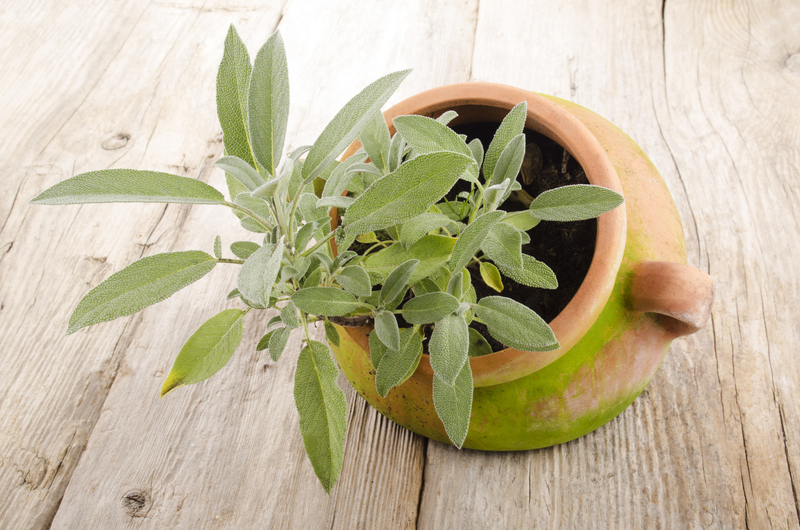
Bonus Tip: Embrace Your Local Climate and Seasons
Not all plants thrive everywhere. Even with the best gardening tips, success depends on choosing flora that's suited to your region. Always check your USDA Hardiness Zone (or equivalent in your country), and plant according to local seasonal calendars. Embracing your native ecosystems makes gardening easier, more sustainable, and ultimately more rewarding.
Conclusion: Your First Steps Toward a Thriving Garden
Whether you have a sprawling backyard or a single sunny windowsill, anyone can be a gardener. Gardening 101 starts with observation, preparation, and enthusiasm. Armed with these nine essential gardening tips for beginners, you can avoid common mistakes and set yourself up for a beautiful, productive space.
Remember: every gardener was a beginner once. The more time you spend in the garden, the more you'll learn. Keep experimenting, stay curious, and celebrate each new sprout and bloom. In no time, you'll move beyond the basics and inspire others to start their own gardening journey, too!
Happy gardening!
Latest Posts
Fortify Your Garden Plants Against Winter Frost
Zen Garden Inspiration: Your Path to Outdoor Tranquility
Gardening 101: 9 Key Tips for Budding Beginners
Dynamic Hedge Trimming: Enhance Your Garden with Creative Techniques