
 020 3744 3778
The Eco-Friendly Benefits of Gardening for Climate
Posted on 07/06/2025
The Eco-Friendly Benefits of Gardening for Climate
Gardening is far more than a relaxing hobby or a way to beautify your property. In today's world, with climate change and environmental concerns at the forefront, the role of eco-friendly gardening has become increasingly significant. From carbon sequestration to enhancing local biodiversity, gardening offers a plethora of climate-friendly benefits. This article will explore The Eco-Friendly Benefits of Gardening for Climate, and why growing your own garden can make a meaningful impact on the planet's health.
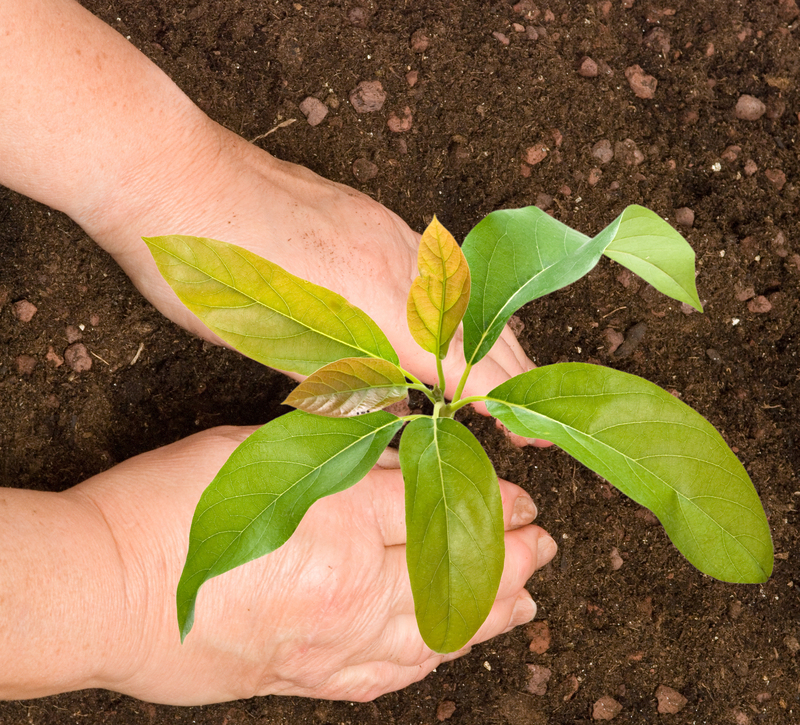
Understanding Eco-Friendly Gardening and Its Role in Climate Action
At its core, eco-friendly gardening involves adopting practices that are gentle on the environment and supportive of sustainability. These techniques reduce or eliminate the use of harmful chemicals, promote biodiversity, support local ecosystems, and ultimately contribute positively to the global effort against climate change.
- Organic gardening eliminates synthetic pesticides and fertilizers, reducing soil and water pollution.
- Water-wise landscaping conserves water resources, crucial in increasingly drought-prone regions.
- Native plant gardening restores local ecosystems and supports pollinators.
But how does eco-friendly gardening help the climate? Let's dive into the details.
1. Carbon Sequestration: Gardens as Natural Carbon Sinks
Plants Combat Climate Change by Absorbing Carbon Dioxide
One of the most substantial ways in which gardening helps the environment is through carbon sequestration. As plants grow, they absorb carbon dioxide (CO2) from the atmosphere through photosynthesis, storing carbon in their roots, stems, and leaves.
According to the International Union for Conservation of Nature, the world's vegetation and soils already absorb about one-quarter of all human CO2 emissions each year. By expanding gardens--especially with trees, shrubs, and perennials--you're increasing the land's capacity to act as a carbon sink, directly benefiting the climate.
- Lawns and turfgrass absorb less carbon compared to diverse gardens with deep-rooted plants.
- Compost-enriched soils further boost carbon storage abilities.
Urban Gardens: Small Spaces, Big Impact
Urban gardening--from rooftop gardens to small backyard patches--offers a powerful way for city dwellers to counter urban carbon emissions.
- Even a few square meters of green space can offset the carbon output of day-to-day activities.
- Vertical gardens and container gardens can maximize limited urban space for climate benefit.
2. Reducing Urban Heat and Creating Microclimates
Urban areas are notorious for the urban heat island effect, where concrete and asphalt absorb and re-emit heat, raising city temperatures. Gardening counters this by:
- Providing natural shade through trees and tall plants, reducing the need for air conditioning.
- Evaporative cooling as plants release water vapor, which cools the air around them.
- Reducing reflective surfaces and increasing permeable ground cover, which lowers ground temperatures.
How Gardens Buffer Weather Extremes
Eco-friendly gardens also help buffer against climate extremes. Well-designed gardens can redirect rainwater, prevent flood damage, and stabilize local weather, making them an essential tool in urban climate resilience.
3. Supporting Biodiversity and Natural Ecosystems
The loss of biodiversity is deeply intertwined with climate change. Gardening for climate with eco-friendly methods helps reverse biodiversity decline by:
- Providing habitats for pollinators, birds, and beneficial insects.
- Planting a diversity of native species that are adapted to local climates.
- Creating green corridors that connect fragmented habitats, allowing wildlife to move safely.
Eco-Friendly Gardening to Rescue Pollinators
Pollinators such as bees, butterflies, and other insects play a crucial role in global food production and healthy ecosystems. Many of these species are threatened by habitat loss and climate change. Planting a pollinator-friendly garden directly supports these critical creatures, ensuring both biodiversity and food security.
4. Reducing Waste and Recycling Organics
Composting at home recycles organic waste that would otherwise clog landfills and generate methane, a potent greenhouse gas. By converting kitchen scraps and yard waste into valuable soil amendment, gardeners create a circular system that is both sustainable and climate-friendly.
- Home composting reduces the overall carbon footprint associated with municipal waste disposal.
- Finished compost enhances soil health, structure, and carbon storage capacity.
Mulching and Water Retention
Applying organic mulch not only suppresses weeds and retains moisture but also decomposes gradually, improving soil organic matter and further sequestering carbon. These simple gardening practices have profound environmental benefits.
5. Conserving Water and Improving Soil Health
Water-Wise Gardening is Climate-Smart Gardening
Eco-friendly gardeners prioritize drought-resistant plants, install rain barrels, and use smart irrigation systems to minimize water waste. By improving soil health with compost and mulch, gardens retain more water, reducing the need for supplemental irrigation during dry periods.
- Healthy soils act like sponges, soaking up rain and preventing runoff.
- Less water is required to maintain thriving gardens, conserving this precious resource especially in arid areas.
6. Local Food Production: Cutting Food Miles and Emissions
Growing your own fruits, vegetables, and herbs is one of the most straightforward ways to reduce your personal carbon footprint. Food miles--the distance food travels from farm to plate--account for significant greenhouse gas emissions annually.
- Community gardens offer city dwellers access to fresh produce, reducing reliance on long-distance transportation.
- Edible landscaping integrates food production into ornamental gardens with aesthetic and environmental rewards.
Reducing Packaging and Fossil Fuel Use
Homegrown produce eliminates the need for plastic packaging and reduces demand for refrigerated transport and storage. These reductions, while seemingly small on the individual scale, aggregate into a significant climate benefit when adopted by more households.
7. Encouraging Eco-Friendly Lifestyles and Environmental Stewardship
Gardening for the climate is often a gateway to a wider environmental consciousness. As individuals connect with nature and see firsthand the impact of sustainable choices, they are more likely to:
- Reduce overall consumption and support local businesses and farmers.
- Adopt eco-friendly alternatives, such as organic products and renewable energy.
- Educate friends and family, amplifying the positive environmental impact throughout the community.
Gardens as Community Hubs
Community gardens can foster environmental stewardship, sustainability education, and collective action for the climate. These green spaces often host workshops, volunteer events, and school programs centered around climate action.
Key Eco-Friendly Gardening Practices for Climate Mitigation
Implementing the following best practices maximizes the climate-friendly impact of your garden:
- Choose native and drought-tolerant plants that require less water and support local wildlife.
- Compost organic waste to enrich soil and avoid landfill emissions.
- Mulch and improve soil health to boost carbon storage.
- Minimize or eliminate chemical fertilizers and pesticides to prevent pollution.
- Install rainwater catchments and use drip irrigation to conserve water.
- Grow your own food to reduce food miles and greenhouse gas emissions.
- Incorporate trees and shrubs for shade, carbon sequestration, and habitat creation.
Smart Designs Yield Bigger Environmental Returns
Strategic garden design enhances eco-friendly benefits. Grouping plants according to their water and sunlight needs, interplanting flowers with vegetables to attract beneficial insects, and designing with the local climate in mind all help make gardens more sustainable and effective for climate action.

The Bigger Picture: Gardening's Potential for Global Climate Solutions
While individual gardens may seem small, the collective effect of millions of gardens worldwide is immense. Gardening, whether at home, in schools, or in public spaces, can form a key component of nature-based solutions to climate change.
- Urban forests, wildflower meadows, and reforestation projects all start at the grassroots, often inspired by home gardeners.
- Municipalities integrating garden spaces into city planning bolster urban biodiversity and climate resilience.
- Educational outreach about the eco-friendly benefits of gardening for climate can motivate larger systemic change.
Policy and Community Support
Governments and organizations are beginning to recognize the power of gardening for climate resilience. Incentives, grants, and resources for climate-smart gardening are increasingly available. Participating in local gardening programs or advocating for community green spaces can expand the ripple effect of your personal efforts.
Conclusion: Growing a Greener, Cooler Planet Starts at Home
Eco-friendly gardening is a practical, accessible, and enjoyable way to address some of the most pressing challenges of our time--climate change, biodiversity loss, and resource depletion. Whether you have a sprawling yard or a few pots on a balcony, your efforts contribute to a healthier planet and more resilient future.
By adopting sustainable gardening techniques and sharing your knowledge, everyone can play a vital role in climate action. The seeds you plant today do more than just grow beautiful landscapes--they nurture a planet in balance.
- Start planting now and be part of the solution!
- Spread the word about the eco-friendly benefits of gardening for climate.
For more tips and guides on gardening for the environment, stay tuned to our blog, and help create a greener, cooler world--one garden at a time.
Latest Posts
Fortify Your Garden Plants Against Winter Frost
Zen Garden Inspiration: Your Path to Outdoor Tranquility
Gardening 101: 9 Key Tips for Budding Beginners
Dynamic Hedge Trimming: Enhance Your Garden with Creative Techniques