
 020 3744 3778
Turn Your Garden into a Child's Educative Playground
Posted on 13/09/2025
Turn Your Garden into a Child's Educative Playground: The Ultimate Guide
Imagine a vibrant outdoor space where your children are not only playing, but also learning, exploring, and growing in countless ways. Your very own garden can be transformed into an educational playground--a dynamic environment that nurtures creativity, curiosity, and a lifelong love of nature. This comprehensive article shows you how to turn your garden into a child's educative playground, providing SEO-optimized tips, activities, and ideas for parents and educators eager to blend fun with learning outdoors.

Why Transform Your Garden into an Educational Playground?
Today's children spend more time indoors than ever, surrounded by screens and away from the wonders of nature. Turning your garden into a learning playground offers numerous advantages:
- Physical Health: Outdoor play boosts activity, develops strength, balance, and coordination.
- Mental Stimulation: Learn in real-world, hands-on settings.
- Creativity Boost: Nature inspires imagination and innovation.
- Emotional Growth: Kids become more mindful and stress-resilient.
- Environmental Awareness: Early exposure to plants and animals fosters environmental stewardship.
By integrating learning elements into your outdoor space, you not only make playtime fun but also encourage your child to discover, ask questions, and engage with the world around them.
Key Elements of a Child's Educative Playground
When planning to convert your garden into an education-focused play area, consider these foundational elements:
- Safety: Soft ground covers, safe structures, and clear sightlines let kids explore with peace of mind.
- Accessibility: Ensure paths and features are suitable for various ages and abilities.
- Diversity: Incorporate zones for active play, quiet contemplation, and sensory stimulation.
- Nature: Emphasize natural materials, living plants, water, and wildlife habitats.
- Learning Stations: Set up dedicated spaces for various subjects and activities.
Planning for Growth
Children's needs evolve rapidly. Design your garden playground to be flexible, with components that can be easily adapted as kids grow. Raised beds, moveable planters, and pop-up features make your garden a living classroom through the years.
Creative Ideas for Turning Your Garden into a Learning Playground
Here are the top practical ways to transform your backyard into a child-educational play space that excites and educates every day of the year.
1. Plant-and-Grow Zones: Science in Action
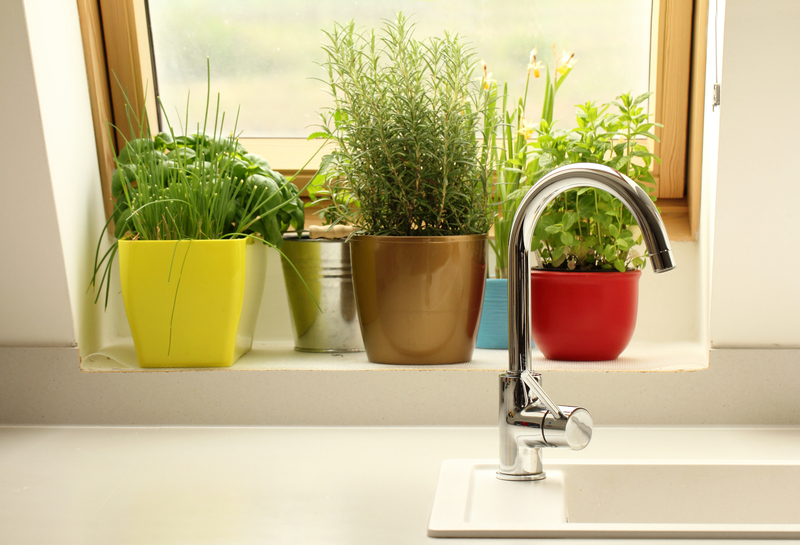
- Vegetable or Herb Patch: Assign kids their own corner to plant, nurture, and harvest crops.
- Compost Corner: Teach about decomposition, recycling, and sustainability by composting kitchen waste.
- Pollinator Gardens: Attract bees, butterflies, and other pollinators with native wildflowers, and explore life cycles up close.
Gardening introduces biology, responsibility, and patience in a hands-on setting.
2. Edible Treasure Hunts
Hide fruits, cherry tomatoes, or edible flowers among the foliage and set up scavenger hunts. This activity enhances observation skills and encourages trying healthy foods, while making identification and foraging a game.
3. Natural Math Zone
- Use stepping stones with numbers or math symbols for hopscotch equations.
- Arrange logs or painted rocks for grouping, counting, and exploring patterns.
Integrate math into daily play--from measuring plant growth to sorting leaves by size and shape.
4. Outdoor Art Studio
- Provide easels, chalkboards, and natural materials (pebbles, twigs, seeds) for creative projects.
- Make nature collages, outdoor sculptures, and leaf rubbings.
_Art in the garden unlocks expression and celebrates imagination._
5. Wildlife Watch and Nature Journals
- Install bird feeders, bug hotels, or a small pond.
- Equip kids with magnifying glasses and notebooks to record observations and draw what they see.
Encourage children to become junior naturalists, fostering a lifelong passion for science and nature.
6. Sensory Pathways and Play Stations
- Lay out winding paths using pebbles, bark, sand, or grass for tactile exploration.
- Set up wind chimes, water features, or fragrant herbs to activate all the senses.
Multi-sensory play stimulates neural pathways and helps children calm and regulate emotions.
7. Literacy and Storytelling Corners
- Designate a fairy-tale nook or tipis for outdoor reading sessions.
- Hang weatherproof storybooks or word stones tied to objects in the garden for interactive tales.
Outdoor reading encourages a love of literature and invites language play into the open air.
8. Physics at Play: Building and Engineering
- Construct simple bridges, mini obstacle courses, and balancing beams.
- Use blocks or bamboo poles to explore building, balance, and gravity concepts.
Let your garden be an open laboratory for STEM: science, technology, engineering, and math.
9. Seasonal Gardening and Weather Exploration
- Set up weather stations: measure rainfall, wind, temperature, and cloud types.
- Try seasonal planting calendars, and track changes throughout the year.
Learning in the garden helps children understand climate, seasons, and natural cycles.
10. Music and Movement Areas
- Include stepping stones for games, 'music walls' made of pots and pans, and dancing ribbons hung from trees.
- Host yoga or dance sessions outdoors, promoting coordination and self-expression.
How Gardening Enriches Child Development
Turning your garden into an educative playground benefits every aspect of a child's growth:
- Physical: Gross and fine motor skills are strengthened through digging, building, climbing, and balancing.
- Cognitive: Children learn vital problem-solving, inquiry, and critical-thinking skills.
- Emotional: Gardening fosters patience, confidence, and mindfulness.
- Social: Collaborative outdoor projects teach sharing, teamwork, and communication.
- Environmental: Direct experience with nature turns children into eco-literate citizens who care about the planet.
Studies show that outdoor learning boosts attention spans, academic performance, and overall happiness in young learners.
Essential Tips for Designing a Child-Friendly Educational Garden
Think Like a Child
Walk through your garden at your child's height and pace. Identify areas that spark curiosity--under bushes, around tree trunks, in flower beds or shady nooks. Children delight in hidden paths, mini-'caves', and secret hideaways.
Let Children Help Design Their Playground
Involve your kids in planning, planting, and decorating the space. Ask them to draw maps or select seeds, so they feel ownership and pride in their outdoor classroom.
Prioritize Safety and Comfort
- Use non-toxic plants and avoid thorny species where little hands will reach.
- Keep pathways clear and use soft surfaces beneath equipment.
- Provide shade with trees, umbrellas, or shade sails for hot days.
- Store tools and chemicals securely out of children's reach.
Flexible Furniture and Shelters
- Scrap-tire seats, wooden benches, or outdoor bean bags offer places for rest--and double as lesson spaces.
- Small canopies, tents, or willow dens create cozy retreats for reading or quiet play.
Include Open-Ended Materials
Provide logs, sticks, pebbles, fabric scraps, and loose parts. Open-ended resources stimulate problem-solving, imaginative play, and invention.
Integrate Technology Mindfully
While it's great to unplug in nature, occasional use of magnifying lenses, binoculars, or simple garden apps for identification can enhance learning and engagement.
Seasonal Activities for a Year-Round Educative Playground
Spring:
- Plant seeds and start a growth journal.
- Explore insects and learn about pollinators.
- Observe rain patterns and make mud pies for sensory play.
Summer:
- Capture shadows, paint rocks, and water the garden daily.
- Host mini 'garden Olympics' with obstacle courses and treasure hunts.
Autumn:
- Collect leaves, pinecones, and acorns for crafts and sorting games.
- Harvest vegetables, cook a garden-to-table meal together.
- Track bird migrations with homemade feeders.
Winter:
- Measure temperatures and track weather patterns.
- Build dens from branches and play 'winter animal' games.
- Hang food for wildlife and observe animal tracks in snow or mud.
Your garden can teach something wondrous in every season, from the smallest seed to the largest tree!
Encouraging a Love of Lifelong Learning Outdoors
Turning your backyard into an educative playground not only supports school learning but also builds a foundation for curious, capable, and confident children. These young explorers will carry their discoveries from the garden into the world, equipped with practical skills, scientific thinking, respect for nature, and a sense of wonder.
Start Small--Dream Big
Even if you have only a balcony or a patch of patio, you can create a rich learning environment with pots, vertical gardens, water trays, and sand buckets. The magic of a child-friendly learning playground lies in how you use the space, not its size.
Invite neighbors, friends, or classmates to join in, making your garden playground a community of growing minds and happy hearts.
Conclusion: Make Your Child's Garden Playground a Daily Adventure
By reimagining your garden as an educational playground, you offer your child a unique blend of fun, discovery, and development that no screen or classroom can replicate.
Start today: Sketch a plan together, choose a few starter activities from the sections above, and let your children's curiosity be your guide. With a little creativity and intention, you can turn your garden into a child's educative playground--a place where learning is as joyful and natural as play itself.
Happy gardening, happy learning!
Latest Posts
Fortify Your Garden Plants Against Winter Frost
Zen Garden Inspiration: Your Path to Outdoor Tranquility
Gardening 101: 9 Key Tips for Budding Beginners
Dynamic Hedge Trimming: Enhance Your Garden with Creative Techniques